Advanced Programs from TMRG Voice Solutions
Leading Supplements for Voice Restoration: Improve Vocal Strength and Clearness Naturally
The path to vocal restoration frequently demands beyond mere rest. Supplements play an essential role in enhancing vocal strength and clarity. Essential nutrients, combined with herbal remedies, can deliver important support for vocal health. Learning which supplements are most beneficial and how they operate could be essential for individuals aiming to enhance their vocal performance. Further exploration in this area uncovers valuable insights into sustaining vocal wellness.
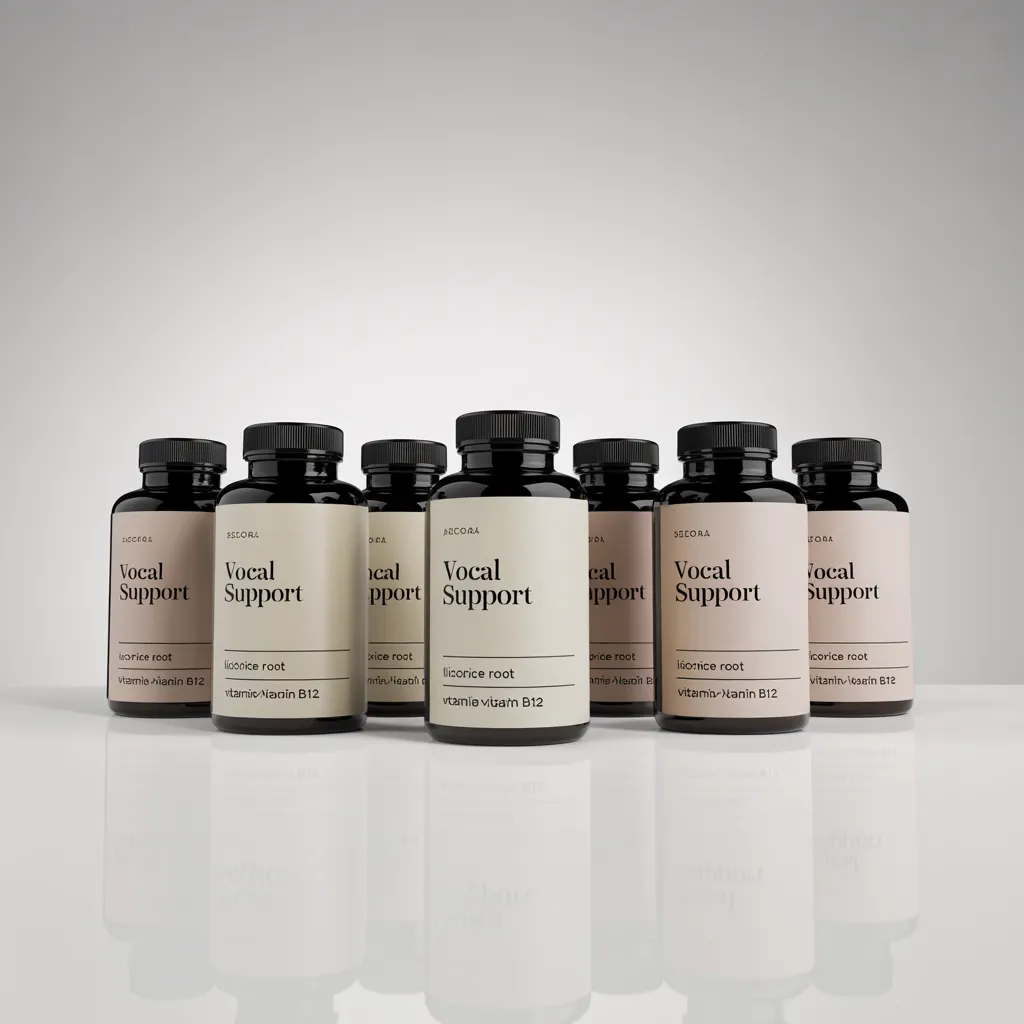
The Significance of Supplements for Vocal Health
While many people tend to ignore the role of proper dietary intake in singing and speaking performance, supplements serve a vital function in maintaining vocal health. Voice Therapy Exercises Critical nutritional elements enhance the overall function of the vocal cords, helping singers and speakers avoid strain and injury. Key supplements including omega-3 fatty acids, vitamins A, C, and E, and zinc help reduce inflammation and promote tissue repair. Such nutrients help maintain the mucous membrane lining of the vocal cords, ensuring optimal hydration and flexibility.
Moreover, magnesium and potassium are critical for muscular performance, which can significantly affect vocal performance. A carefully balanced intake of these dietary supplements can boost stamina and strength during prolonged use. Hydration, often overlooked, is equally important; while not a supplement in itself, it should support any supplementation plan. In the end, a thoughtful approach to diet and supplementation can profoundly affect vocal health, allowing individuals to reach their peak performance.
Herbal Remedies for Common Vocal Issues
Herbal remedies offer a holistic method for tackling typical vocal challenges that can arise despite a balanced supplementation plan. A large number of vocal performers seek out herbs like marshmallow root, known for its soothing properties, which can help alleviate throat irritation. Licorice root is another popular choice, commonly employed for its ability to combat inflammation that can help minimize vocal stress.
Slippery elm throat lozenges may also offer relief by coating the throat and alleviating discomfort. Furthermore, ginger is often suggested for its ability to combat inflammation and enhance circulation, which can aid in vocal recovery.
Peppermint, owing to its natural menthol properties, functions as a natural decongestant, possibly supporting breath control and voice clarity. Integrating these natural remedies can be a valuable addition to a complete vocal health routine, fostering strength and clarity for individuals who depend on their voice in professional or personal settings.
Essential Vitamins and Minerals for Vocal Health Supplements
What vitamins and minerals play an essential role in maintaining vocal health? Essential nutrients including Vitamin A, C, and E are critical for sustaining vocal cord integrity and promoting tissue repair. Vitamin A is essential for sustaining the health of mucous membranes, while Vitamin C strengthens immune response and defends against the effects of oxidative stress. Vitamin E, celebrated for its antioxidant benefits, works to decrease inflammation affecting the vocal cords.
In addition, B vitamins, particularly B6 and B12, play a role in nerve function and energy metabolism, which are vital for vocal performance. Minerals such as zinc and magnesium also have a significant impact; zinc helps promote healing and immune support, while magnesium works to regulate muscle function, including those associated with voice production. Including these vital vitamins and minerals into a diet can considerably strengthen vocal resilience and clarity, offering a solid foundation for singers and public speakers alike.
Hydration's Impact on Vocal Wellness
Proper hydration is a key factor in keeping the voice healthy, as it determines the vocal cords' mobility and overall function. Being aware of dehydration signs is critical for vocalists, as even minor dehydration can compromise vocal output. Here we will examine essential hydration strategies and share useful recommendations to enhance hydration for ideal vocal wellness.
Vital Hydration Sources
Achieving optimal vocal health depends significantly on proper hydration. Water continues to be the most essential resource, crucial for ensuring the vocal cords stay moistened and work properly. Herbal teas, particularly those without caffeine, offer soothing properties that can further support vocal clarity. Furthermore, beverages rich in electrolytes, like coconut water or fresh fruit juices, assist in maintaining equilibrium without too much sugar. Soups and broths likewise function as outstanding hydration options, offering warmth and soothing comfort alongside essential fluids. Those looking for other options will find that water-rich fruits and vegetables, such as cucumbers and watermelon, add significantly to total fluid consumption. Making these hydration sources a priority not only boosts vocal performance but also encourages overall health, guaranteeing that the voice stays strong and resilient.

Signs of Dehydration
What are the ways to recognize the indicators of dehydration, with a specific focus on vocal wellness? Dehydration may appear in multiple forms that directly impact vocal performance. Dryness or scratchiness in the throat commonly suggests a lack of proper hydration. Additionally, vocal fatigue and reduced vocal range are typical signs, as the vocal cords require moisture for ideal function. Vocalists might also notice more difficulty when projecting vocally, resulting in vocal strain. In addition, insufficient saliva may cause challenges with clear articulation. Recognizing these indicators is crucial for supporting long-term vocal health, as minor dehydration can negatively affect vocal strength and clarity. Routine hydration habits can help avoid these problems and promote vocal health.
Hydration Advice for Singers
When it comes to singers, staying hydrated is critical, as even a minor lack of fluids can greatly impact vocal performance. Adequate fluid intake helps maintain ideal vocal cord function, preventing dryness and irritation. It is recommended that singers consume at least half their body weight in ounces of water daily, accounting for environmental conditions and activity levels. Additionally, herbal teas and broths offer hydration benefits while calming the throat. Singers should refrain from consuming caffeine and alcohol, as these substances can lead to dehydration. A humidifier placed in dry settings can also contribute to better vocal well-being. Regularly sipping water throughout the day, rather than consuming large amounts at once, can help sustain hydration levels effectively, so that the voice stays strong and resonant when performing.
Picking the Best Supplements for Your Voice
When picking supplements for vocal recovery, it is crucial to contemplate key nutrients that promote vocal health. Furthermore, examining herbal remedies can offer natural options for support. Proper timing and dosage also play a critical role in enhancing the benefits of these supplements.
Vital Nutrients for Vocal Health
Supporting vocal health necessitates an understanding of key nutrients that facilitate voice recovery. Important nutrients such as vitamin C, vitamin E, and B vitamins play crucial roles in supporting vocal cord integrity and function. Vitamin C supports tissue repair and boosts immunity, while vitamin E functions as an antioxidant, shielding cells from damage. B vitamins, including B6 and B12, support energy production and nerve function, vital for vocal performance. Moreover, omega-3 fatty acids assist in reducing inflammation, fostering overall throat health. Hydration is equally critical; adequate water intake ensures vocal cords continue to be lubricated and flexible. By adding these nutrients into a balanced diet or through supplements, individuals can boost vocal strength and clarity, enabling effective voice recovery.
An Overview of Herbal Remedies
Natural herbal solutions deliver a holistic strategy for boosting vocal health and aiding recovery. Such remedies have been employed throughout the ages, providing various benefits that can support vocal performance. Popular herbs, like licorice root, are celebrated for their soothing characteristics, assisting in relieving throat inflammation. Marshmallow root serves as a mucilage, establishing a protective barrier across the vocal cords. Additionally, slippery elm offers similar soothing effects, while also promoting hydration. Other herbs, like thyme and sage, possess antimicrobial properties that may protect against infections. Incorporating these natural solutions can help maintain vocal clarity and strength, making them a valuable addition for singers, speakers, and those seeking to recover from vocal strain.
Tips for Timing and Dosage
Proper timing and dosage are critical for getting the most out of voice recovery supplements. For the greatest benefit, users should take supplements at designated times of day, ideally coordinating with meal times to boost absorption. Morning doses can kickstart vocal health, while evening doses may aid recovery during sleep.
Dosage varies based on the supplement; it is vital to follow recommended guidelines or consult a healthcare professional. Starting with lower doses can help gauge individual tolerance before gradually increasing. Maintaining consistency is essential; taking supplements regularly over several weeks is typically required to observe meaningful progress. Furthermore, maintaining proper hydration works in harmony with supplement use to promote overall vocal wellness. Following these dosage and timing recommendations allows individuals to more effectively aid their vocal recovery process.
Adding Supplements To Your Vocal Routine
Including supplements into a vocal routine can enhance vocal health and recovery. To reach the best results, individuals should initially assess their specific vocal needs and goals. A meeting with a medical professional or nutritionist can deliver personalized guidance on which supplements may be helpful.
Incorporating hydrating supplements, such as electrolytes or herbal teas, can support vocal cord lubrication, while inflammation-reducing options like turmeric root may reduce swelling. Moreover, amino acids and antioxidants contribute significantly to muscle recovery and overall vocal clarity.
Timing is essential; taking supplements before and after vocal practice can enhance their effectiveness. Consistency matters greatly—regular supplementation supports lasting benefits.
Routinely monitoring vocal performance and adjusting supplement intake accordingly can greatly optimize results. By mindfully including these supplements into a routine, vocalists can encourage longevity and resilience in their voice, ensuring lasting performance quality.
Frequently Asked Questions
Can Supplements Substitute for Proper Vocal Training and Technique?
Supplements are not a substitute for proper vocal training and technique. Although they may help support vocal health, producing an effective voice fundamentally depends on developing skills, practicing regularly, and understanding vocal mechanics, which supplements alone cannot provide.
Do Vocal Health Supplements Have Any Side Effects?
A number of voice health supplements can cause unwanted effects such as digestive discomfort, hypersensitive reactions, or interactions with medications. Speaking with a healthcare professional before starting any supplement regimen is strongly suggested to guarantee safety and effectiveness.
How Long Until I See Results From Vocal Supplements?
Results from vocal supplements typically appear within several weeks, though results may differ from person to person. Steady use, paired with proper vocal care, commonly produces meaningful improvements in strength and clarity as time progresses.
Is It Okay to Combine Several Supplements for Vocal Health?
Multiple supplements for vocal health can be taken simultaneously when they are deemed compatible. Nevertheless, people should seek guidance from a healthcare provider to confirm safety and prevent potential interactions or side effects.
Are There Dedicated Supplements for Singers as Opposed to Speakers?
Certainly, specific supplements can benefit singers and speakers differently. Singers tend to focus on hydration and maintaining vocal cord health, while speakers might focus on throat soothing and clarity. Customizing supplement choices according to vocal demands can improve overall performance and recovery.