Ankle Stabilizer for Injury Recovery
Understanding Different Types of Ankle Supports: Which One Is Right for You?
Ankle bracing serves a vital role in preventing injuries while also supporting the healing process. With a wide range of solutions to consider, individuals often find themselves uncertain about which type to choose. Rigid braces, elastic sleeves, and taping methods each provide unique advantages suited to individual requirements. Knowing the contrast between each option is essential for a well-informed choice. What factors should one consider when selecting the most suitable option? The answers might surprise you.
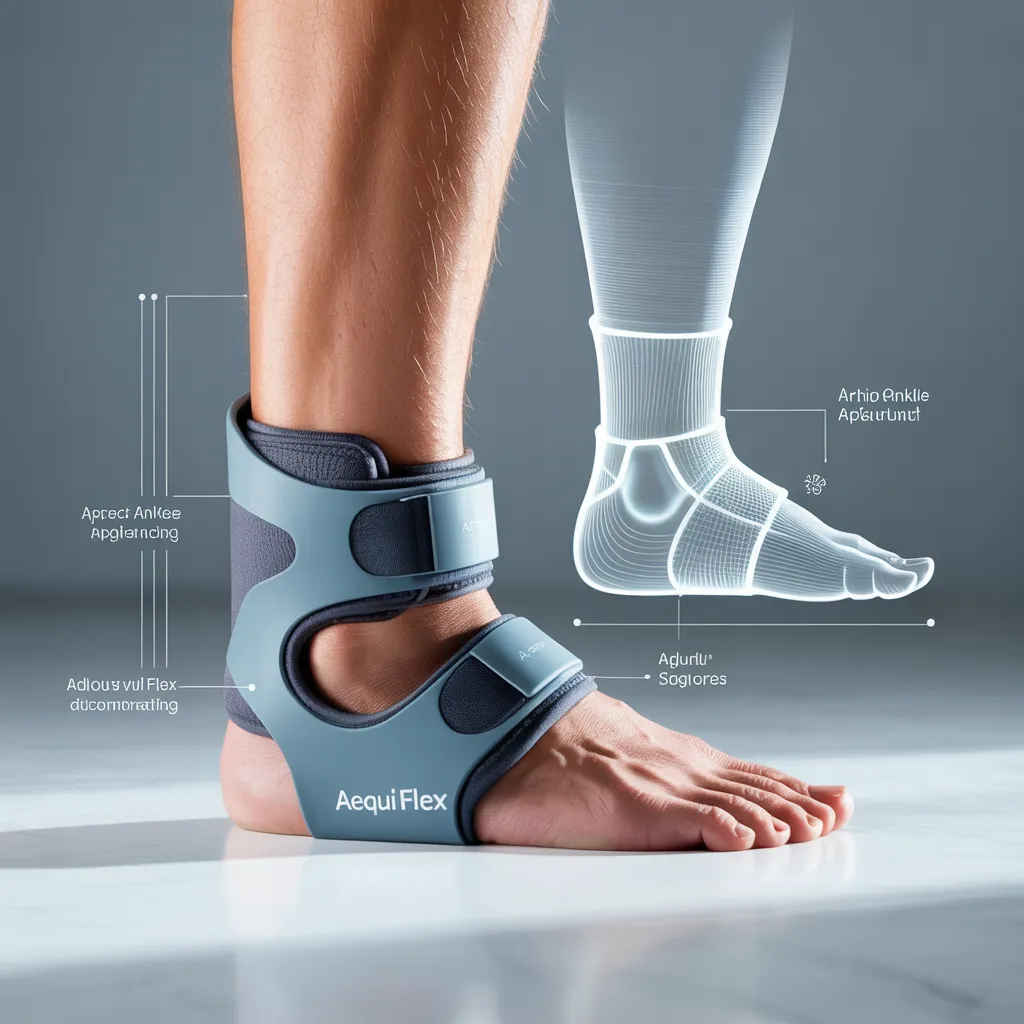
The Significance of Ankle Support in Preventing Injuries
What role does ankle support play in preventing injuries? Ankle support plays a significant role in mitigating the risk of injuries during physical activities, most notably in sports that demand jumping, pivoting, or rapid shifts in direction. By providing stability to the ankle joint, support mechanisms can help prevent sprains and strains that often result from excessive movement or impact. Proper ankle support also encourages correct biomechanics, which is fundamental for maintaining balance and alignment during dynamic actions.
In addition to reducing injury risk, ankle braces can facilitate recovery for those who have suffered prior injuries. They provide a protective barrier, permitting individuals to take part in physical activities while decreasing the risk of re-injury. In summary, effective ankle support is crucial for sportspeople and physically active individuals, promoting both safety and performance in numerous physical pursuits.
Forms of Ankle Supports: Braces, Sleeves, and Taping
Ankle support devices exist in various forms, all designed to accommodate varying needs and requirements. Braces provide firm support, typically made from plastic or metal materials, and work best for individuals recovering from injuries or seeking considerable stabilization. They often feature adjustable straps to ensure a personalized fit.
Ankle sleeves, alternatively, are made from flexible materials that offer pressure and thermal comfort. They are low in weight and appropriate for users in need of gentle support during exercise or individuals managing long-term conditions.
Taping refers to the application of sports tape directly to the skin and can provide tailored support. It is commonly employed by sports professionals for improved stability and injury prevention during performance.
Every type of ankle support fulfills specific functions, permitting users to more information make selections based on their individual activity levels, injury circumstances, and personal comfort requirements. Familiarizing oneself with these choices helps in identifying the most suitable support for individual needs.
Key Benefits of Each Ankle Support Type
Recognizing the benefits of every kind of ankle support is important for making informed choices. Braces provide superior support and stability, while sleeves emphasize ease and flexibility. Each choice fulfills specific purposes, catering to different activities and degrees of injury.
Stability And Reliability
Choosing the right kind of ankle brace can significantly improve stability and promote healing. Solid ankle supports, such as stirrup-style braces, offer maximum immobilization, making them ideal for serious injuries or recovery after surgery. They prevent unwanted movement, helping to prevent further damage. By comparison, elastic supports offer moderate stability, permitting some movement while still providing necessary compression. This makes them appropriate for minor sprains or as a preventive measure during active pursuits. Furthermore, lace-up supports blend the advantages of both rigid and elastic varieties, offering adjustable tension and support. Every ankle support type fulfills unique functions, ensuring that users can identify the most suitable choice based on their individual needs and severity of injury.
Flexibility And Comfort
Choosing the correct ankle support can significantly influence flexibility and comfort during recovery or physical activities. Multiple ankle support options deliver specific benefits. For instance, elastic support sleeves deliver mild compression, boosting blood flow while enabling a full range of motion, suitable for low-impact activities. In contrast, lace-up supports allow for customizable tightness, providing both support and flexibility to support diverse movements. Rigid ankle braces prioritize stability but may reduce movement, making them suitable for rehabilitation. Adjustable supports find a middle ground, offering stability while allowing some degree of flexibility. In the end, the best choice relies on individual needs, activity levels, and recovery goals, ensuring maximum comfort and functionality during use.
Critical Factors for Picking the Best Ankle Support
Choosing the best ankle support involves multiple key factors that can significantly impact outcomes. To begin, one must take into account physical activity demands, as distinct supports address varying intensities of movement. Moreover, identifying the kind of injury and ensuring a proper fit and comfort are crucial for ideal support and recovery.
Considerations for Activity Level
When evaluating ankle supports, recognizing the individual's activity level is crucial for achieving ideal protection and functionality. Athletes, for instance, may require more robust supports designed to withstand rigorous movements, while those with a sedentary lifestyle might benefit from lighter, more flexible options. Various sports require different degrees of stability; a runner might require a support that accommodates natural ankle movement, while a player of basketball might need greater reinforcement to guard against injuries during swift changes in direction. For individuals engaged in daily activities, a moderate-level support could strike the right balance between comfort and stability. Selecting the appropriate ankle support tailored to one's activity level promotes peak performance and reduces the risk of further injury during routine or athletic endeavors.
Injury Type Assessment
Knowing the kind of ankle injury is crucial for identifying the most effective solution. Different injuries, such as fractures, sprains, or strains, require targeted types of compression and stabilization. For reference, mild sprains may improve with elastic wraps that deliver gentle support, while moderate to severe sprains often necessitate braces that reduce mobility and offer considerable stabilization. Fractures, on the other hand, might need rigid splints to stabilize the ankle entirely. Moreover, chronic conditions like tendonitis may call for supports that enhance proprioception and decrease strain during activity. By thoroughly analyzing the injury type, individuals can select ankle supports that not only support healing but also protect against further injury, guaranteeing a healthier return to physical activities.
Comfort and Fit
Picking the appropriate ankle support depends significantly on fit and comfort, particularly after evaluating the kind of injury. A correct fit assures that the support provides sufficient stability without impeding circulation. Ankle supports come in various sizes and designs, making it necessary to pick one that matches the wearer's foot and ankle shape. Material types also play a significant role; breathable fabrics enhance comfort during prolonged use, while flexible straps can offer a personalized fit. In addition, the amount of compression should be considered, as too much may limit movement, while insufficient compression might not offer enough support. At the end of the day, the correct balance of comfort and fit enables optimal healing and performance during everyday activities.
Ankle Braces Versus Taping: Knowing When to Use Each Option
Which option delivers better ankle injury support: braces or taping? The decision between ankle braces and taping typically relies on the seriousness of the injury and personal requirements. Ankle braces provide consistent support and stability, making them ideal for managing chronic conditions or recovering from significant injuries. They are additionally reusable and simpler to put on, providing the wearer with a dependable solution for everyday activities.
Conversely, taping delivers a greater degree of customization, making it possible to make adjustments based on specific injuries or activities. It is particularly useful for athletes seeking greater freedom of movement or who require provisional support during competition. However, proper taping demands a certain level of expertise and can necessitate repeated application.
At the end of the day, the choice should consider elements such as the nature of the injury, level of activity, and personal preference, ensuring the best support for the ankle.
Key Signs You Should Upgrade Your Ankle Support
How can someone determine when it's time to update their ankle support? There are several signs that suggest a change may be needed. To begin with, if the wearer notices ongoing pain or instability during physical activities, this may indicate that the existing support is no longer adequate. Furthermore, noticeable signs of deterioration, such as worn straps or damaged padding, can diminish the support's performance.
Comfort is another essential consideration; if the support feels uncomfortable or restricts movement, considering a replacement would be advisable. Alterations in exercise intensity or athletic pursuits could also call for a different kind of support to address new requirements.
Finally, if the ankle support no longer fits properly—either too slack or overly snug—it may be unable to deliver the necessary stability. Routine evaluations of these indicators can help confirm peak ankle care and reinforcement, thereby fostering better injury prevention and mobility.
Questions We Often Receive
Are Ankle Supports Suitable for Prevention Without a Previous Injury?
Ankle supports can indeed be beneficial for preventing injuries, most notably in demanding physical activities. They deliver stability and support, decreasing the chances of sprains or strains, rendering them useful even for people who have not previously experienced injuries.
How Do I Clean and Maintain My Ankle Support?
To clean and maintain an ankle support, carefully wash with a gentle soap in cool water, avoiding harsh chemicals. Allow to air-dry fully away from direct heat for optimal hygiene while extending the brace's lifespan for ideal use.
Do Ankle Supports Come in Specific Sizes?
Absolutely, ankle supports are offered in specific sizes to ensure proper fit and efficacy. Brands typically offer sizing charts based on measurements, enabling users to select the most fitting option for their individual needs and comfort.
Can Ankle Supports Be Worn During Sleep?
Ankle braces may be used during sleep, depending on personal comfort levels and the exact condition being treated. Certain individuals may find value in extra support and stability, while others could find them bothersome, potentially disrupting sleep quality.
What Materials Are Typically Found in Ankle Supports?
Typical materials found in ankle supports consist of neoprene which offers flexibility, elastic blend fabrics for added compression, and hard plastics to ensure stability. Such materials offer different degrees of support, comfort, and breathability, accommodating diverse requirements and personal preferences.