Create Birth Plan for greater confidence before your baby's arrival
Indispensable Guidance for Setting Up Your Birthing Strategy With a Doula
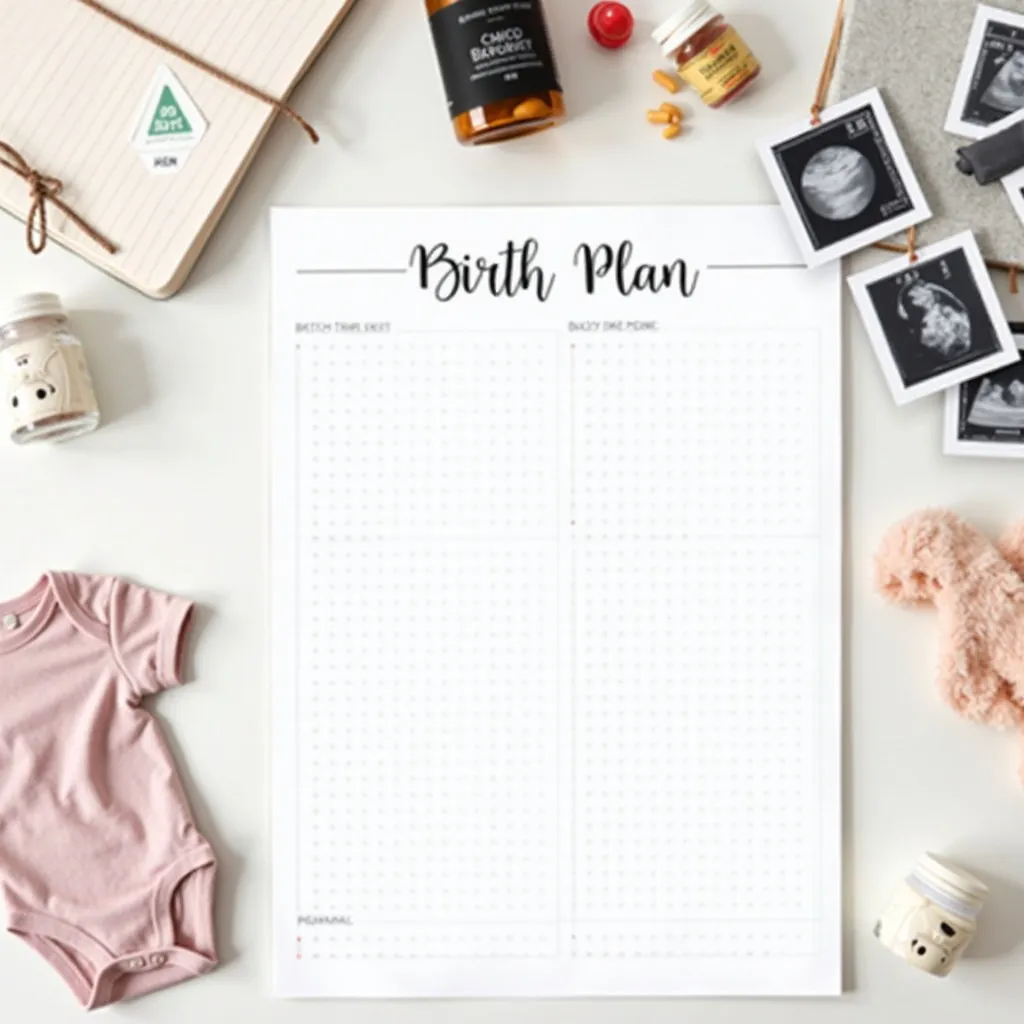
Putting together a birth plan together with a doula is a important move for parents awaiting birth. It description gives them the opportunity to state their inclinations and prepare for various scenarios. Effective exchange and collaboration are necessary to ensuring that the plan reflects their desires. By understanding the essentials of a birth plan, parents can navigate the complexities of labor with poise. What are the principal aspects that should not be missed?
Why a Doula Is Crucial for Your Delivery Strategy
Although many expectant parents might consider their birth plan a straightforward checklist, the incorporation of a doula can convert this document into a comprehensive roadmap for a positive birthing experience. Doulas offer psychological and bodily assistance, helping parents express their preferences and navigate the complexities of labor. Their expertise can enhance dialogue between the birthing team and the parents, ensuring that everyone is aligned with the birth plan.
Having a doula present can help anxiety by providing reassurance and comfort during labor. Additionally, they empower parents with evidence-based information, which enables informed decision-making. A doula also helps with pain management methods and fosters a supportive atmosphere, potentially leading to better outcomes. Expectant parents can design a more personalized and supportive birth plan by involving a doula, cultivating a positive atmosphere that emphasizes emotional and physical well-being of the birthing individual.
Key Elements of a Birth Plan
A carefully organized birth plan functions as an crucial roadmap for expectant parents, outlining their preferences and expectations for childbirth. It should begin with the fundamentals, such as the location of birth, whether it be a hospital, birthing center, or home. Expectant parents ought to consider their desired support team, detailing who will be present during labor and delivery.
Moreover, the birth plan needs to cover pain management techniques, including medication choices or alternative methods such as breathing methods and hydrotherapy. Additionally, it is important to convey intentions about interventions, like episiotomy or the use of forceps.
Parents should reflect on immediate post-birth wishes, such as skin-to-skin contact and breastfeeding intentions. Finally, the plan should be adaptable, recognizing that circumstances can change during labor. Working alongside a doula can help guarantee that the birth plan reflects the family's values while remaining adaptable to the unfolding experience.
Important Aspects to Consider in Your Delivery Plan
What factors should parents-to-be stress when crafting their birth plan? First and foremost, recognizing their preferences concerning pain management is critical. They should weigh options such as epidurals, natural methods, or a combination. Also, the environment where the birth will take place—hospital, birthing center, or home—should fit with their values and comfort levels.
An extra important element is the function of supportive individuals during childbirth, such as partners, family, and doulas. Parents should talk about how they envision these individuals assisting with the birth process.
In addition, parents should examine their preferences for clinical procedures, such as the use of induction, real-time observation, or cesarean delivery. Finally, it's necessary to deliberate on newborn care arrangements, including skin-to-skin contact and breast or bottle decisions. By placing emphasis on these key points, expectant parents can establish a full birth plan that reflects their priorities and vision.
Clearly Expressing Your Preferences
Effectively expressing preferences is crucial for expectant parents forming their birth plan. Clear expression of wishes helps confirm that all involved parties—medical staff, partners, and doulas—grasp the parents' perspective for the birthing experience. Parents can start by listing their key objectives, such as options for pain relief, birthing positions, and postnatal care steps. Using straightforward terminology and eliminating vague terms can enhance understanding.
Visual aids or written documents may assist in conveying critical preferences succinctly. Parents should also reflect on deliberating their choices in a serene and poised manner, nurturing an environment of collaboration and respect. It is significant to remember that adaptability may be vital, as circumstances can change during labor. By establishing distinct dialogue from the start, expectant parents can construct a supportive atmosphere that honors their wishes while proving open to the dynamic nature of childbirth.
Communicating About Your Inclinations and Scenarios With Your Doula
How can soon-to-be parents confirm their preferences are fully understood by their doula? Clear communication is vital. Expectant families should set aside dedicated time to discuss their birth preferences, making certain a thorough understanding of their desires and concerns. This conversation should encompass multiple circumstances, including pain management options, labor positions, and early postbirth assistance.
In addition, parents can develop a written record expressing their preferences, which acts as a guide for both the doula and the medical team. This document should be accommodating, allowing for adjustments as circumstances change during labor.
Engaging in different scenarios can be beneficial; it enables parents articulate their needs while preparing for unexpected situations. Ultimately, frequent meetings with the doula throughout the pregnancy can strengthen understanding, building a supportive partnership that emphasizes the parents' vision for their birth experience. Open dialogue lays the foundation for a positive and empowering birth journey.
Frequently Requested Questions
Is a Doula Helpful for Post-Delivery Support?
A doula can extend meaningful postpartum support, providing emotional comfort, practical help, and resources for new parents. Their presence helps navigate the obstacles of early parenthood, encouraging a more seamless progression into family life.
What's the Best Way to Select a Doula That's Right for You?
When picking a doula, you should take into account qualifications, experience, compatibility, and personal philosophy. Interviews and references are vital to confirm a suitable match, as comfort and trust play critical roles in the birthing experience.
What if My Birth Plan Transforms Unexpectedly?
Should a birth plan shift suddenly, flexibility is crucial. Accepting adaptability allows parents to handle unforeseen circumstances, ensuring they stay informed and backed by their doula, who can provide comfort and support throughout the experience.
Do Doulas possess training in Medical Procedures?
Doulas are not qualified in medical procedures; their mission stresses emotional and physical support at delivery. They offer relaxation techniques, information, and representation, ensuring a satisfying birth outcome while collaborating with clinical staff.
What are the typical costs for a doula?
A doula usually costs between $800 and $2,500, based on elements like experience, location, and services provided. This expense often comprises prenatal consultations, ongoing labor assistance, and postpartum support, improving the birthing experience.