How to Use Thumb Splint
Bouncing Back From a Thumb Injury? Explore the Best Support Options
Rehabilitating following a thumb injury poses numerous difficulties. Adequate support plays a crucial role in recovery. Thumb splints and braces are able to provide the required stability and proper alignment and these can have a major effect on rehabilitation. Nevertheless, assessing the severity of the injury and identifying suitable options remains critical. Which elements ought to be evaluated when determining the proper supportive device, and how might one improve their overall healing experience? The responses to these questions might be more involved than they seem.
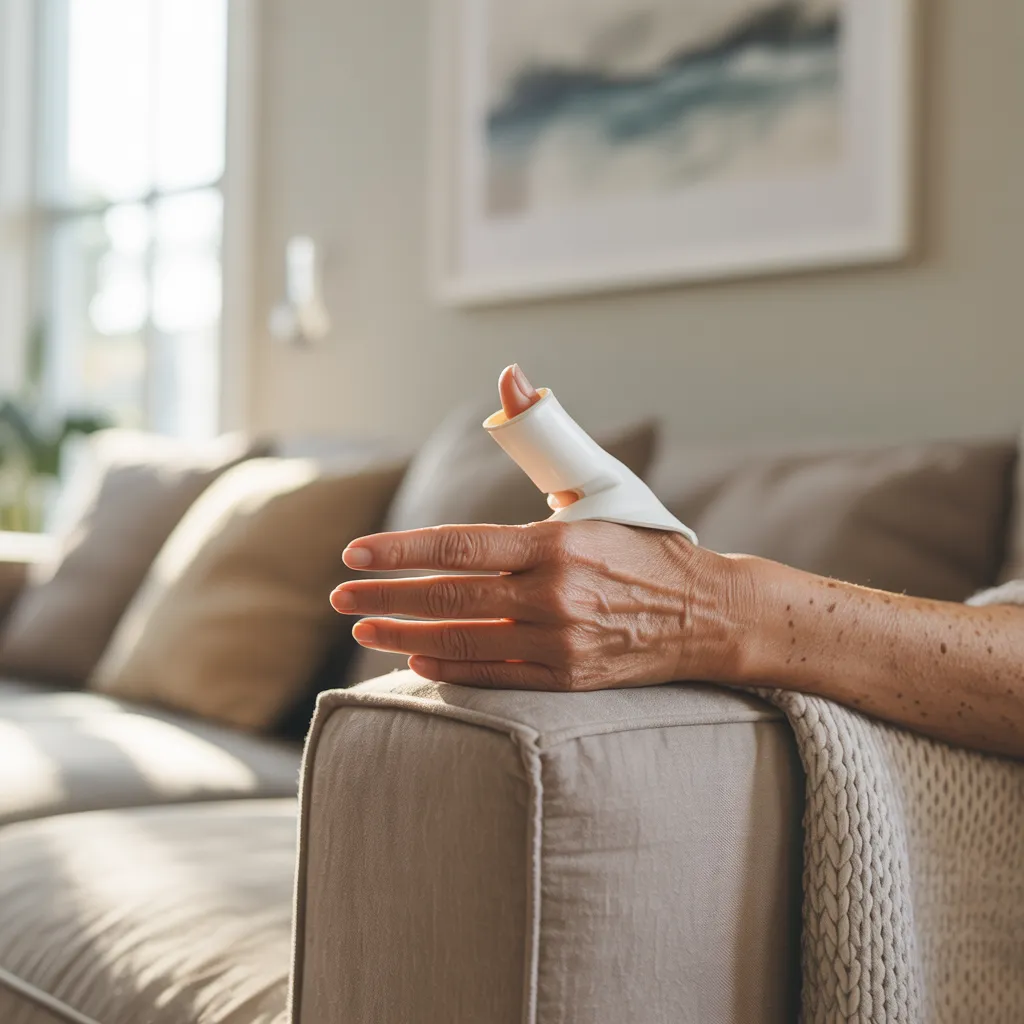
What Are the Common Types of Thumb Injuries?
Injuries to the thumb can occur in a variety of forms, with each presenting unique challenges. Frequently occurring types encompass fractures, sprains, strains, and tendon injuries. Sprains commonly result from ligament overstretching or tearing, resulting in pain and swelling. Strains, however, involve injuries to muscles or tendons, often caused by overuse or excessive force. Fractures often arise from sudden impact or falls, resulting in severe pain, deformity, and limited mobility.
Tendon-related conditions, like tenosynovitis, cause inflammation in the tendons that surround the thumb, commonly developing due to repetitive motion. Furthermore, ailments including arthritis can exacerbate thumb pain, affecting overall function. Identifying these prevalent thumb injury types is vital for effective treatment and healing. Each injury type requires tailored support options to ensure proper healing and regain function. Recognizing these differences can assist individuals in finding suitable treatment and reach well-informed conclusions regarding recovery approaches.
How to Assess the Severity of Your Thumb Injury
Determining the extent of a thumb injury requires thorough assessment of frequent indicators, such as inflammation, discomfort, and reduced range of motion. Identifying these symptoms can assist in establishing whether medical intervention is necessary. Understanding when to seek professional help is vital for guaranteeing effective rehabilitation and minimizing the risk of worsening the condition.
Frequent Symptoms to Monitor
How can someone identify the severity of a thumb-related injury? Recognizing common indicators can offer valuable information. Pain intensity is often a key sign; acute or persistent pain may suggest a more serious injury. Swelling and bruising around the thumb can indicate tissue damage or injury. Reduced mobility, difficulty gripping objects, or weakness in the joint area may suggest torn ligaments or broken bones. A numb or tingling feeling could indicate nerve-related issues, warranting further evaluation. Moreover, any visible deformity should prompt immediate attention. By tracking these indicators, individuals can better assess their condition and make informed decisions regarding their rehabilitation and treatment choices. Keeping track of these symptoms is critical for proper self-management and recovery planning.
When to Seek Help
At what point should a person consider seeking professional help for a thumb injury? A timely examination is important, especially if the pain does not subside within a few days or is accompanied by swelling, bruising, or limited mobility. Indicators of a broken bone, such as an obvious deformity or the inability to move the thumb, warrant immediate medical attention. Moreover, if the injury occurs after a major trauma, such as a fall or sports-related trauma, professional evaluation is advisable. People should additionally pursue care if they experience numbness or tingling, as such sensations could suggest nerve damage. Seeking care early can reduce the risk of complications and promote better healing, guaranteeing the thumb heals correctly and regains full function.
How Thumb Braces Support Recovery
Thumb braces are instrumental in the healing process following a thumbinjury or strain. Such supportive tools are intended to keep the thumb stable and immobile, ensuring stability throughout the healing period. By reducing unnecessary movement, thumb braces work to minimize the risk of further harm and ease discomfort, enabling people to carry out everyday tasks more comfortably.
Moreover, thumb braces are effective at minimizing swelling and inflammation, which are frequently experienced following an injury. They also promote appropriate positioning, guaranteeing that the thumb heals in the correct position. Most braces feature adjustability, accommodating different degrees of swelling throughout the recovery process, which maximizes their therapeutic benefits.
Additionally, utilizing a thumb brace can give the user a sense of security, empowering them to resume tasks without fear of exacerbating the injury. Overall, thumb braces function as a critical component of the recuperation process, facilitating both physical rehabilitation and psychological comfort during the healing process.
Choosing the Right Thumb Splint for Support
Picking the suitable thumb splint is essential for efficient support during recovery. Different types of thumb splints are offered, each built to accommodate specific injuries and requirements. Key features to keep in mind include material, flexibility, and level of immobilization, which can significantly influence comfort and healing.
Categories of Thumb Splints
Several thumb splints are on the market to provide support and alleviate pain from various injuries. These splints come in several varieties, each tailored for specific requirements. Firm splints offer complete stabilization, making them appropriate for acute injuries or post-operative rehabilitation. Gentle splints, frequently crafted from elastic fabric, provide moderate support and allow for some movement, perfect for minor strains. Specialized thumb splints directly address the thumb, securing it while permitting finger dexterity. There are also custom-made splints that address personal anatomical needs, delivering a perfect fit. Every option provides a unique benefit, and choosing the appropriate option can considerably improve the recuperation period and overall comfort.
Important Features to Review
When selecting the appropriate thumb splint for assistance, multiple important aspects must be taken into account. To begin, the material plays a vital role; breathable textiles can boost overall comfort, while sturdy materials offer greater immobilization. Adjustable straps are necessary for achieving a secure fit, accommodating varying thumb sizes and swelling. The construction should enable simple application and removal, especially for those with limited dexterity. Moreover, weight and overall size matter; read here a light splint allows for increased movement during healing. Evaluate the degree of support needed, as distinct injuries may demand differing extents of stabilization. Finally, consult with a healthcare professional to ensure the chosen splint meets particular healing requirements, promoting effective healing and recovery.
Essential Physical Therapy Approaches to Treat Thumb Injuries
Healing a thumb injury typically demands targeted physical therapy techniques aimed at rebuilding strength and mobility. Initial assessments commonly emphasize measuring movement capacity and pain intensity, directing the formation of a tailored treatment strategy. Essential methods often involve gentle stretching exercises to improve flexibility, coupled with isometric strengthening activities to enhance muscle stability without worsening the condition.
Manual therapy may also serve an important function, as practitioners employ hands-on methods to reduce discomfort and enhance blood flow. Furthermore, functional exercises that mimic daily tasks are vital for rebuilding coordination and hand dexterity. Patients might find value in utilizing resistance bands or exercise putty to steadily improve strength.
Dedication in completing assigned exercises at home, along with regular therapy sessions, is essential for ideal recovery. In summary, these therapeutic techniques are designed to support a smooth return to normal thumb function and reduce the risk of future injuries.
Do You Need Surgery for Your Thumb Injury?
Establishing whether surgical intervention is required for a thumb injury is largely determined by the severity and type of damage sustained. Mild injuries, like sprains or strains, generally react favorably to traditional remedies, including rest, ice, and stabilization. However, more severe injuries, such as fractures or torn ligaments, could call for surgical procedures to recover full function and structural integrity.
Medical professionals usually conduct an extensive examination, incorporating imaging tests, to evaluate the extent of the injury. When non-operative approaches are unable to reduce discomfort or recover range of motion, an operative procedure may be considered the most suitable course of action.
Factors influencing the decision also include the patient's age, physical activity level, and general health. In some cases, delaying surgery might lead to complications or prolonged recovery. Ultimately, the decision should be made collaboratively between the patient and healthcare provider, ensuring that the chosen approach aligns with the individual's recovery goals and lifestyle.
Tips for Managing Thumb Injury Pain During Recovery
Following an assessment of surgical requirements, individuals recovering from a thumb injury often seek effective strategies to manage pain. Using cold therapy can deliver prompt relief; applying an ice pack for 15-20 minutes several times a day can reduce swelling and numb discomfort. Readily available pain relief medications, such as ibuprofen or acetaminophen, can also alleviate pain and inflammation, though it is advisable to consult a medical professional prior to taking them.
Including mild stretching and strengthening routines, as advised by a physical therapist, can enhance mobility and reduce stiffness, supporting overall recovery. Keeping the injured thumb in a comfortable position, such as using a splint or brace, can reduce strain and encourage healing. Finally, practicing relaxation techniques, such as deep breathing exercises or meditation, can help manage pain perception and improve emotional well-being throughout the recovery process.
Things to Avoid During Thumb Recovery
To ensure proper healing from a thumb ailment, specific activities ought to be steered clear of. Engaging in heavy lifting or gripping can exacerbate pain and delay healing. Activities that require recurring thumb gestures, such as using a keyboard or playing instruments, should additionally be limited to prevent strain. Athletic activities that demand hand dexterity or involve physical contact, like basketball or tennis, carry a risk of further injury and should be put on hold for the time being.
Furthermore, activities requiring fine motor skills, such as sewing or detailed handiwork, could burden the recovering thumb and impede healing. It's essential to avoid movements that cause pain or unnecessary pressure on the thumb. Permitting enough rest and abstaining from these activities will considerably enhance a more efficient and comfortable recuperation process. Concentrating on healing by restructuring daily tasks secures a more rapid recovery to complete functionality without obstacles.
Popular Questions We Receive
How Long Does Recovery Typically Take for Thumb Injuries?
Recuperation from thumb injuries typically ranges from a few weeks to several months, based on how severe the injury is. Considerations like age, overall wellness, and dedication to rehabilitation can influence the recovery timeline.
Can Heat or Ice Help with Thumb Pain Relief?
Using an ice pack can reduce swelling and numb pain, while heat may help relax muscles and improve blood flow. Individuals should alternate between both methods according to their particular symptoms to achieve the best results.
How Can You Tell If a Thumb Injury Is Serious?
Signs of a serious thumb injury include intense pain, inflammation, restricted thumb movement, noticeable deformity, numbness, or tingling feelings. Prompt medical attention is advised if any of these indicators appear, since they could point to underlying fractures or ligament injuries.
Are There Dietary Recommendations to Help Heal Thumb Injuries?
A balanced diet rich in essential nutrients like vitamins C and D, calcium, and omega-3 fatty acids can support recovery from thumb injuries. Nutrient-dense foods such as citrus fruits, leafy greens, fish, and nuts aid in the healing process and help combat inflammation effectively.
How Do I Avoid Thumb Injuries Going Forward?
In order to prevent thumb injuries going forward, one should build hand muscle strength through targeted exercises, utilize ergonomic tools, copyright proper hand grip methods, and incorporate protective gear during high-risk activities, supporting general hand health and lowering the likelihood of injury.