Microbiome and Skin Inflammation: Insights
The Relationship Between Digestive Health and Acne
Current research demonstrates a considerable connection between gut health and acne. The gut microbiome serves a critical function in moderating inflammation and immune response, both of which can impact skin conditions. Dysbiosis, or an imbalance in gut bacteria, may aggravate acne symptoms. Grasping this relationship raises questions about dietary choices and lifestyle factors that could potentially better skin health. What specific changes could make a difference in addressing acne through gut health?
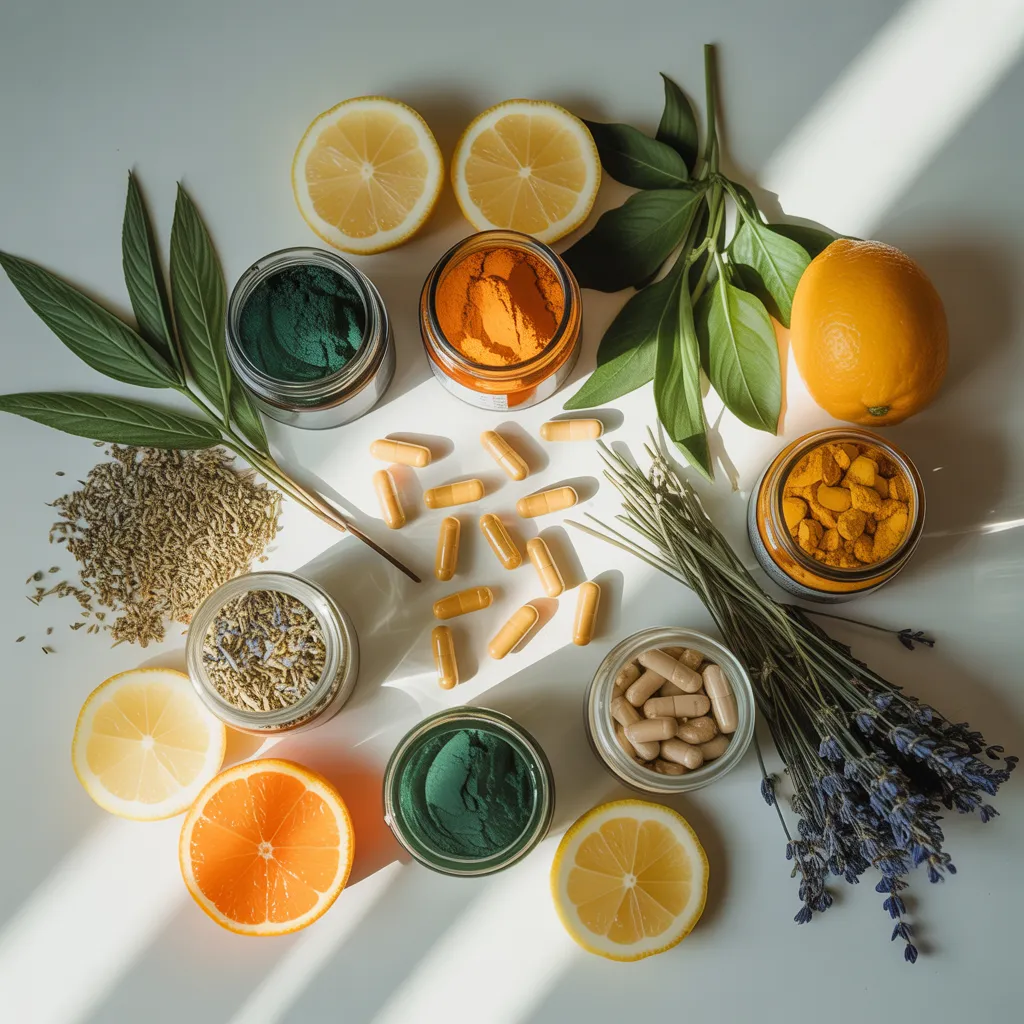
Understanding the Gut Microbiome
The intestinal microbiome, an intricate system consisting of trillions of microorganisms, serves a vital function in general wellness, including dermatological issues such as acne. This varied population comprises bacteria, fungi, and viruses that work together harmoniously to preserve intestinal wellness. An equilibrated microbiome assists with digestion, nutrient assimilation, and immune performance, while a disruption, referred to as dysbiosis, can cause multiple health concerns. Studies demonstrate that the intestinal microbiome impacts body-wide inflammation and metabolic functions, which could indirectly influence dermatological wellness. Specific strains of beneficial bacteria, such as Lactobacillus and Bifidobacterium, have been noted for their potential to improve skin conditions. Thus, grasping the gut microbiome natural skincare solutions is vital for examining its effect on acne and total skin condition.
The Impact of Inflammation on Acne
Inflammation acts as a key factor in the formation and aggravation of acne. This inflammatory response frequently takes place when the skin's sebaceous glands produce excess oil, causing clogged pores. As bacteria grow within these blocked follicles, the immune system answers by sending white blood cells to the site, causing redness, swelling, and pain linked to acne lesions. Moreover, systemic inflammation may emerge from poor gut health, where an imbalance in gut microbiota leads to increased inflammation throughout the body. This chronic low-grade inflammation can more deeply exacerbate skin conditions, making acne more resistant and hard to treat. Understanding the inflammatory processes related to acne can guide more effective treatment strategies that address the underlying factors rather than merely the symptoms.
Hormonal Disruptions and Their Influence on Skin
Though numerous elements affect skin wellness, hormonal imbalances play a significant role in the development of acne. Hormonal variations, particularly androgens like testosterone, can cause elevated oil production in the skin. This extra sebum creates an environment ideal for the growth of acne-causing bacteria. In addition, hormonal changes during pregnancy, puberty, menstruation, and hormonal interventions can exacerbate acne symptoms. Conditions such as polycystic ovary syndrome (PCOS) are also linked to hormonal disruptions, leading to persistent acne. Understanding the connection between hormones and skin health can help with developing targeted treatments. By managing these imbalances, individuals may achieve relief from acne and enhance their overall skin condition, emphasizing the importance of hormonal regulation in dermatological health.
Diet and Its Influence on Gut Health
Diet considerably impacts gut health, which in turn can affect various bodily functions, including skin health. A well-rounded diet rich in fruits, vegetables, whole grains, and lean proteins cultivates a diverse microbiome, necessary for optimal digestion and nutrient absorption. Conversely, diets high in unhealthy fats, processed foods, and sugars can destabilize gut flora, causing dysbiosis. This imbalance may lead to inflammation and the development of acne. In addition, specific foods, such as dairy and foods with a high glycemic index, have been connected to increased acne severity in some individuals. Consequently, maintaining a nutrient-dense diet can improve gut health and, likely, improve skin conditions. Understanding the link between diet and gut health is vital for those seeking clearer skin and overall well-being.
How Probiotics Benefit Your Skin
Probiotics play an essential role in enhancing skin health, as they help maintain a balanced gut microbiome that influences various bodily functions. Research indicates that a healthy gut microbiome can reduce inflammation and improve skin conditions such as acne. Probiotics support the skin's protective barrier, stopping harmful bacteria from causing breakouts. They further encourage the generation of beneficial substances, such as short-chain fatty acids, which can boost skin hydration and elasticity. Furthermore, the inflammation-reducing characteristics of probiotics may assist in relieving redness and irritation linked to acne. Through promoting gut wellness, probiotics create pathways for clearer, healthier skin, showcasing their potential as a supplementary method in addressing acne and other skin concerns.
The Role of Fiber in Digestive Health
Fiber serves as an essential component for maintaining digestive health, fulfilling a key purpose in promoting regular bowel movements and reducing constipation. It contributes to bulking up stool, which enables smoother transit through the intestines. Additionally, fiber fosters a healthy gut microbiome by serving as a food source for beneficial bacteria, which can beneficially affect overall gut health. Fiber-rich diets have been associated with a reduced risk of gastrointestinal conditions, including diverticulitis and colorectal cancer. Additionally, fiber-rich foods often contain valuable nutrients and antioxidants that enhance overall health. By adding adequate fiber into the diet, individuals can improve their digestive function, likely leading to improved skin health and reduced acne symptoms through the indirect effects of a balanced gut environment.
Effective Strategies for Enhancing Gut Health
Achieving ideal gut health demands a well-rounded approach that incorporates multiple lifestyle choices. To begin, including a wide range of fiber-rich foods, such as fruits, vegetables, and whole grains, can appreciably boost gut flora. Probiotics, available in yogurt and fermented foods, are essential for regulating gut bacteria. Keeping hydrated supports digestion, while regular physical activity fosters a healthy gut environment. Limiting processed foods and added sugars helps lower inflammation, which can alter skin health. Additionally, handling stress through mindfulness practices like meditation or yoga is essential, as stress can disturb gut function. In conclusion, quality sleep is critical, as it allows the body to repair itself, including the gut microbiome, resulting in improved overall health and potentially clearer skin.
Frequently Asked Questions
Could Stress Affect Both Gut Health and Acne Breakouts?
Indeed, stress can harmfully influence both gut health and aggravate acne breakouts. It triggers hormonal changes and inflammation, which may lead to digestive issues and heightened oil production in the skin, worsening acne conditions.
How Long Does It Take to See Improvements After Dietary Changes?
Results from dietary alterations generally become noticeable within four to six week period. Personal results may fluctuate based on variables such as compliance, specific dietary modifications, and overall lifestyle habits, influencing the timeline for visible effects.
Are There Certain Foods That Exacerbate Acne Through Gut Health?
Some foods, especially those abundant in sugar, dairy, and refined carbohydrates, may aggravate acne by encouraging inflammation and interfering with gut health. Individuals observing acne issues should consider monitoring their dietary intake for possible triggers.
Do Gut Health Supplements Serve as a Replacement for a Healthy Diet?
A healthy diet cannot be replaced by gut health supplements. They may offer extra advantages but should complement a balanced intake of whole foods, which provide essential nutrients and support overall well-being more effectively than supplements alone.
Can Sleep Quality Be Linked to Gut Health?
Scientific evidence suggests a substantial correlation between sleep quality and gut health. Bad sleep patterns can interfere with gut microbiota balance, causing digestive issues, while a healthy gut can encourage better sleep patterns, establishing a bidirectional relationship.