Thumb Support Splint: Supportive Support Device
Best Orthopaedic Products for Thumb Injuries: The Key Products for Healing
Thumb injuries can greatly impact daily activities and overall quality of life. Familiarizing yourself with the necessary orthopedic materials is vital for effective treatment. Key items, such as splints and medical tapes, play a fundamental role in recovery. Furthermore, therapeutic instruments and pain management techniques are important elements of a comprehensive treatment plan. Yet, recognizing when to pursue expert medical care and how to minimize the risk of recurring injuries is equally critical. What lies ahead in the recovery journey might be unexpected.
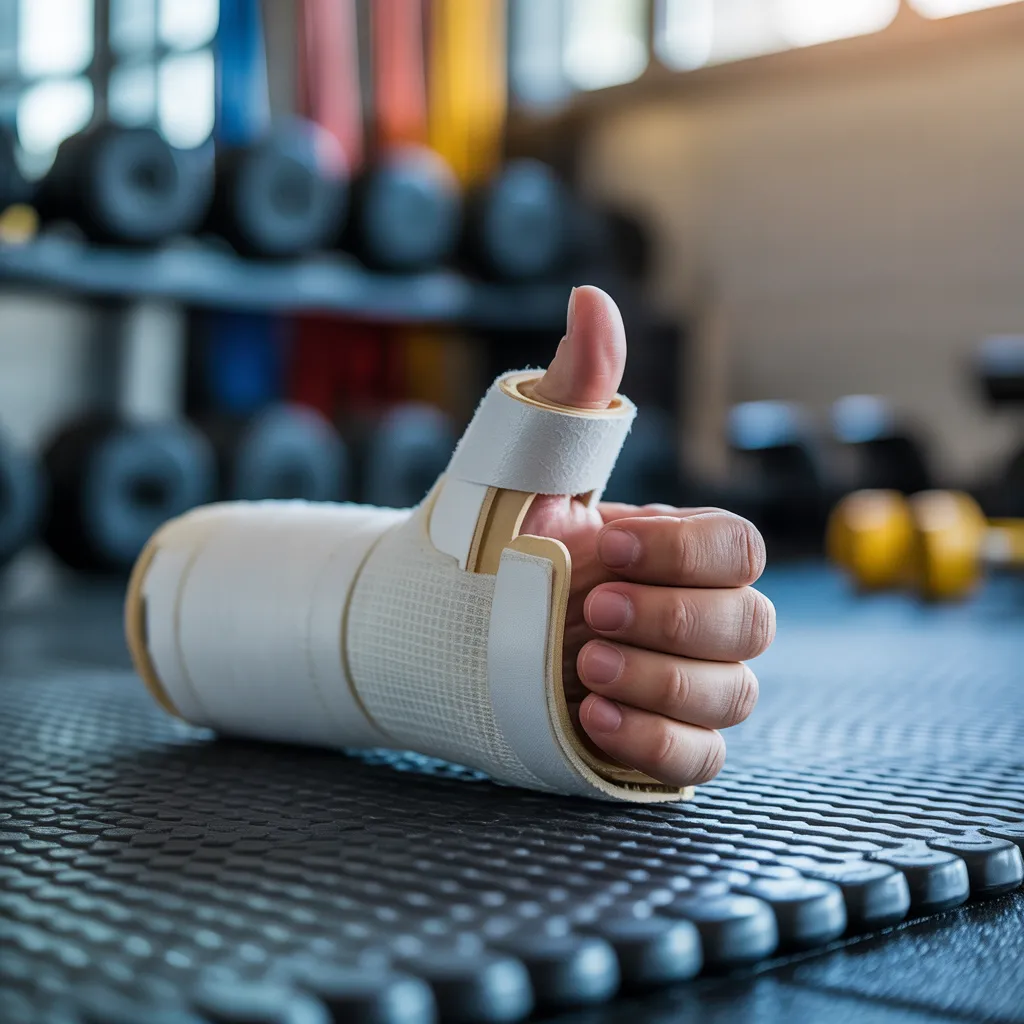
Vital Supports for Thumb Trauma
Essential splints play an important role in the healing journey for thumb-related injuries, delivering support and stability. These devices immobilize the thumb, preventing further strain and enabling optimal recovery. Several splint options exist, such as firm and soft designs, each designed to meet specific injury needs. Hard splints deliver the highest level of stability, suitable for fractures or severe sprains, while soft splints provide flexibility and comfort for mild injuries.
Appropriate fitting is vital; a poorly fitted splint may impede recovery or lead to further discomfort. Patients are often advised to wear splints during activities that may strain the thumb, guaranteeing safety during routine tasks. Furthermore, certain splints are made with breathable fabrics, improving comfort during prolonged use. Overall, essential splints are indispensable tools in the rehabilitation of thumb injuries, assisting patients in restoring mobility and resuming daily activities more quickly.
Choosing Medical Tapes That Work for You
Choosing the appropriate medical adhesive tape is essential for successful thumb injury management. Different kinds of medical tape, each with distinct characteristics, can considerably impact the healing process. Knowing application techniques and tips will enhance the efficiency of these materials.
Varieties Of Medical Tapes
Medical tapes serve a critical function in the care and management of thumb injuries, providing support and stability to the affected area. Various types of medical tapes are available, each serving specific purposes. Adhesive tape is widely applied for fastening dressings and stabilizing the thumb. Kinesiology tape, celebrated for its stretchability, delivers dynamic support, promoting mobility while reducing pain. Cohesive bandages stick to themselves without adhering to the skin, making them perfect for wrapping without skin irritation. Rigid strapping tape offers superior support for significant injuries, preventing excessive movement. Each type has unique properties, enabling individuals to select the most appropriate choice based on their specific needs and recovery goals. Selecting the right tape is vital for effective healing.
Methods Of Application And Helpful Tips
Picking the appropriate medical tape is only one aspect of the process; appropriate application techniques heavily affect the efficiency of support for thumb injuries. Initially, ensure the skin is clean and dry to enhance adhesion. When securing tape, begin at the thumb's base and wind upward toward the tip, allowing for flexibility at the joints. Avoid wrapping too tightly to prevent circulation issues. Additionally, consider overlapping the tape slightly for better support and stability. For added comfort, opt for hypoallergenic tape to reduce skin irritation. To conclude, regularly check the application; redo the application if the tape loosens or if any irritation arises. Applying these practices promotes optimal healing and support for thumb injuries.
Treatment Aids for Efficient Thumb Recovery
Proper thumb healing commonly requires the use of therapeutic tools designed to facilitate healing and enhance strength. Splints deliver vital stabilization, allowing for proper alignment during recovery, while strengthening exercise tools facilitate muscle rehabilitation. In unison, these resources fulfill an essential purpose in restoring thumb function and mobility.
Splints for Stabilization
In the event of a thumb injury, utilizing splints for stabilization becomes vital for supporting a healthy recovery. Splints serve to immobilize the injured thumb, reducing the risk of further strain and permitting the recovery process in-depth article to start. They are designed to support the thumb in a proper position, alleviating pain and helping to manage inflammation. Various types of splints are available, including thermoplastic and soft fabric options, each catering to specific injury types and levels of comfort. By maintaining stability, splints help to protect the injured area during daily activities. Moreover, they can be easily adjusted or removed for hygiene purposes, making them a convenient option for long-term wear. Overall, splints fulfill a critical purpose in the healing process after sustaining a thumb injury.
Exercise Tools for Strengthening
Exercise strengthening tools are vital for supporting successful thumb rehabilitation following an injury. These devices assist in rebuilding strength, improving mobility, and recovering function. Frequently used options include resistance bands, which provide adjustable tension for progressive training, and grip strengthening devices that assist in targeting the thumb's intrinsic and extrinsic muscles. In addition, therapy putty may be utilized for various exercises, fostering flexibility and coordination. Dedicated thumb exercise tools, including thumb trainers, prove beneficial for isolating specific movements and developing dexterity. Incorporating these tools into a rehabilitation routine not only accelerates healing but also helps prevent future injuries by ensuring the thumb is strong and resilient. Overall, consistent use of strengthening exercise tools is vital for a successful recovery journey.
Essential Pain Relief Approaches for Thumb Injuries
Even though thumb injuries may range in their seriousness, using proper pain relief methods is vital for recovery. First, placing ice packs on the affected area can assist in reducing swelling and alleviating pain, optimally for 15-20 minutes a few times throughout the day. Over-the-counter non-copyrightal anti-inflammatory drugs (NSAIDs), including ibuprofen or naproxen, can further deliver notable relief by targeting both pain and inflammation.
Furthermore, securing the thumb with a brace or splint can help avoid additional injury while supporting recovery. Raising the hand above the level of the heart may aid in decreasing swelling. For chronic pain, thermal therapy, through the use of warm compresses or heated pads, can boost circulation and reduce stiffness.
Finally light mobility exercises, once acute pain decreases, can facilitate healing to ensure the thumb regains strength and flexibility. These strategies collectively form an efficient framework for managing pain and facilitating healing when treating thumb injuries.
When Should You Seek Professional Help for Thumb Injuries?
How can one determine the appropriate time to seek professional help for a thumb-related injury? Knowing when to see a medical professional is crucial for successful healing. Immediate attention is warranted if there is significant pain, an obvious deformity, or inability to move the thumb. Moreover, ongoing swelling or bruising after a couple of days may indicate a more serious issue, such as a broken bone or ligament damage.
Should symptoms present with numbness or tingling, these could signal involvement of the nerves, necessitating immediate assessment. People should likewise pursue medical attention when at-home remedies, like icing and rest, prove ineffective at reducing pain.
In the end, a healthcare provider can deliver a complete assessment and proper interventions, including splinting or imaging studies, to ensure proper healing. Prompt medical guidance can greatly affect the recovery process and minimize chronic issues associated with thumb-related injuries.
Strategies for Avoiding Future Thumb Injuries
After addressing the necessity for professional help with injuries to the thumb, it is essential to direct attention toward preventive measures. People can considerably lower their chances of recurring injuries by applying several important techniques. First, correct ergonomic practices during activities, such as operating tools or typing, can reduce pressure on the thumb. Employing thumb supports or braces during activities with elevated risk offers additional protection.
Moreover, participating in routine hand and thumb exercises enhances mobility and resilience, reducing susceptibility to injuries. One should also schedule breaks within repeated movements, enabling the thumb to rest and recover.
Finally persons should be mindful of their environment to prevent mishaps that may lead to thumb injuries. By adopting these strategies, individuals can effectively protect against likely thumb harm and maintain top hand function.
Frequently Asked Questions
What Is the Healing Time for a Thumb Injury?
The healing time for a thumb injury usually extends from a couple of weeks to multiple months, based on the severity and type of the injury. Adequate care and recovery efforts can considerably affect recovery duration and effectiveness.
Can I Still Exercise With a Thumb Injury?
Working out when you have a thumb injury is often possible, depending on the severity. Adjusted exercise routines that prevent stress on the injured thumb can help maintain fitness, but seeking advice from a medical professional for personalized guidance is recommended.
What Are the Indicators of a Severe Thumb Injury?
Indicators of a serious thumb injury encompass severe pain, swelling, bruising, inability to move the thumb, deformity, and persistent numbness. If these symptoms occur, it is crucial to seek medical care for accurate assessment and treatment.
Are There Any Home Remedies for Thumb Pain?
At-home solutions for thumb pain consist of using ice packs to decrease swelling, elevating the thumb to reduce discomfort, and practicing gentle stretching exercises. Additionally, herbal teas such as turmeric or ginger may provide relief because of their anti-inflammatory benefits.
What Are the Best Ways to Strengthen My Thumb After Healing?
To build up thumb strength post-healing, a person can incorporate resistance exercises, work with therapy putty, complete finger stretching exercises, and steadily advance gripping exercises. Dedication and patience are key for optimal healing and strength improvement.