Why Chronic Back Pain Singapore Treatment Supports Improved Mobility
Effective Persistent Back Pain Treatment: Recover Your Comfort and Mobility
Chronic back pain impacts millions, often interfering with daily activities. Understanding its causes and investigating effective treatment options is essential for recovery. A multifaceted approach, combining therapies, lifestyle changes, and alternative treatments, can greatly enhance comfort and mobility. However, one must assess when to seek professional guidance to tailor a personalized plan. What strategies can truly make a difference in managing this persistent condition?
What Drives Persistent Back Pain?
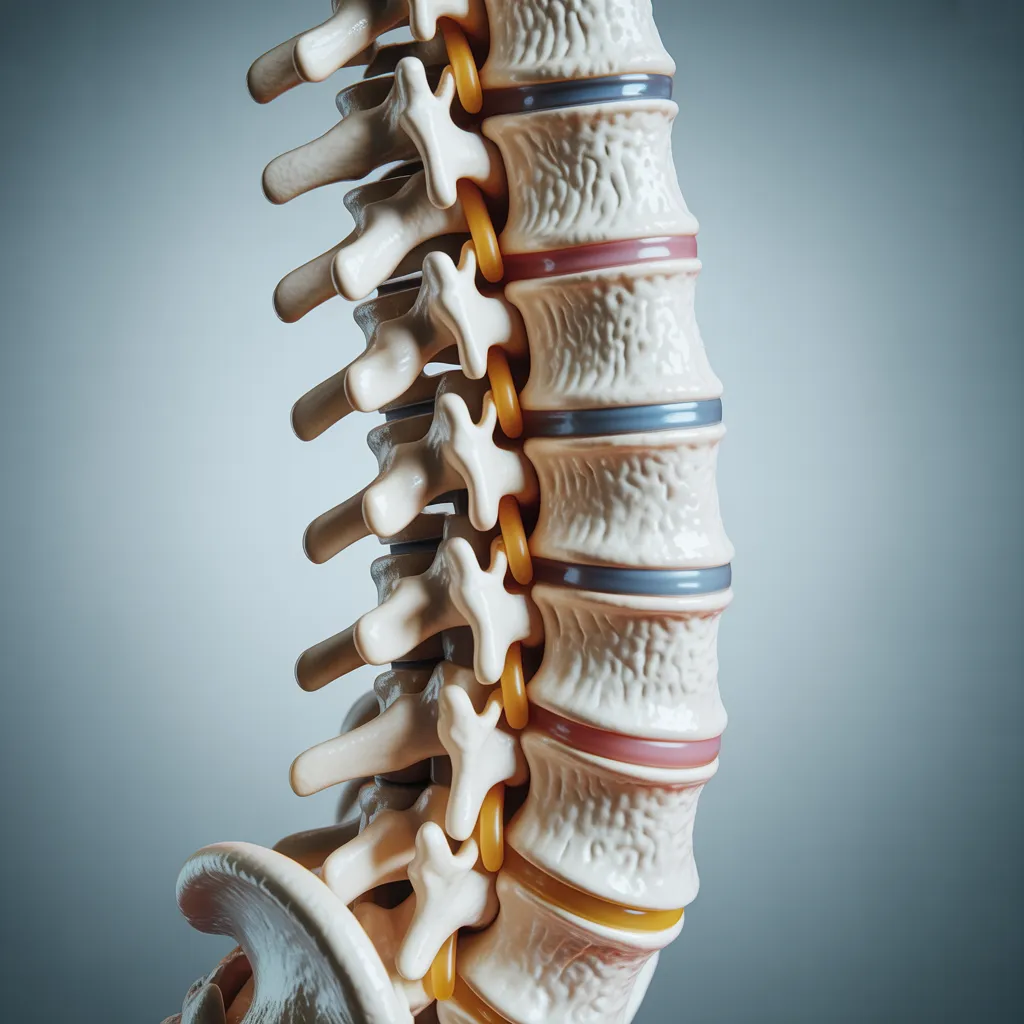
Chronic back pain affects millions of individuals worldwide, arising due to various causes that can complicate diagnosis and treatment. Commonly, conditions such as herniated discs, arthritis, and spinal stenosis play a significant role to persistent discomfort. Muscle or ligament strains often arise from heavy lifting or awkward movements, leading to ongoing pain. Additionally, degenerative diseases can damage the spine, causing structural changes that worsen symptoms.
Lifestyle components, including obesity and lack of physical activity, further boost the danger of chronic back pain. Psychological factors, such as stress and anxiety, can also be significantly important, often magnifying the perception of pain. Furthermore, previous injuries, whether acute or chronic, may produce long-term effects that result in ongoing discomfort. Understanding these multiple factors is crucial for successful management and treatment strategies, as they underscore the multifaceted nature of chronic back pain.
Reliable Methods for Persistent Back Pain
Effective solutions for chronic back pain feature a range of strategies, with physical therapy and mind-body techniques being prominent. Physical therapy can boost mobility and strength, while mind-body practices foster relaxation and pain management. Together, these methods deliver a integrated strategy for easing discomfort and improving quality of life.
Physical Therapy Advantages
Physical therapy offers a broad spectrum of benefits for individuals suffering from chronic back pain. It aims at strengthening mobility, strength, and flexibility through tailored exercises and techniques. By resolving muscle imbalances and enhancing core stability, physical therapy helps reduce pain and prevent further injury. Furthermore, therapists utilize manual therapy, modalities such as heat or ultrasound, and education to empower patients in taking control of their condition. This holistic approach not only targets physical symptoms but also nurtures overall well-being. Regular sessions can lead to corrected posture and functional movement, allowing individuals to engage in daily activities with greater ease. Overall, physical therapy functions as an essential component in the thorough treatment of chronic back pain, promoting long-term recovery and enhanced quality of life.
Mind-Body Strategies
Applying mind-body techniques as part of back pain management may greatly improve overall healing and well-being. Such approaches target the connection between mental and physical states, helping relaxation and reducing stress. Approaches like mindfulness meditation, yoga, and guided imagery have proven effective in easing pain and boosting mobility. Research indicates that these methods can alter pain perception and enhance emotional resilience, empowering individuals to manage their symptoms more effectively. By encouraging a positive mindset and increased self-awareness, mind-body techniques can augment conventional therapies, yielding improved outcomes. Ultimately, incorporating these practices into an all-encompassing pain management plan offers a holistic approach that addresses both the physical and emotional aspects of chronic back pain.
Ways Physical Exercise Supports Long-term Back Pain Rehabilitation
Engaging in physical exercise plays an crucial role in the recovery of chronic back pain by strengthening core muscle strength and boosting overall flexibility and mobility. Building core muscles gives vital support to the spine, and increased flexibility enables greater movement without discomfort. Collectively, these benefits help achieve pain reduction and better functional capacity.
Strengthening Core Muscles
Building abdominal strength functions as a vital role in reducing chronic back pain. A robust central region provides stability and support to the spine, reducing strain on the back muscles. Doing focused workouts helps to enhance muscle balance and coordination, which is critical for maintaining proper posture. This, in turn, can result in decreased discomfort during daily activities and improve overall functional mobility. Core strength training may involve exercises such as planks, bridges, and abdominal workouts, which focus on the muscles surrounding the lumbar region. Consistent practice additionally aids in pain relief but also fosters resilience against future injuries. Consequently, a well-rounded exercise regimen that emphasizes core strength can greatly contribute to the recovery process for individuals suffering from chronic back pain.
Improving Limberness and Mobility
While persistent spinal discomfort often limits movement, improving flexibility and mobility through specific workouts can significantly assist recovery. Stretching routines, such as yoga or Pilates, allow individuals to improve their range of motion, decreasing stiffness in the back and surrounding muscles. Incorporating gentle movements, like swimming or walking, encourages circulation and enhances healing. These activities not only relieve pain but also support better posture, which is essential for long-term relief. As flexibility improves, individuals may find it easier to engage in daily tasks, thereby boosting overall physical activity. Regular performance of mobility-improving workouts can lead to a more resilient body, ultimately contributing to a more active and fulfilling lifestyle.|While persistent back pain often restricts movement, improving flexibility and mobility through specific workouts can greatly aid recovery. Flexibility programs, such as Pilates or yoga, allow individuals to improve their range of motion, decreasing stiffness in the back and surrounding muscles. Incorporating light exercises, like walking or swimming, encourages circulation and enhances healing. These activities not only alleviate pain but also foster better posture, which is essential for long-term relief. As flexibility improves, individuals may find it easier to engage in daily tasks, thereby increasing overall physical activity. Consistent practice of mobility-improving workouts can lead to a more resilient body, ultimately contributing to a increasingly dynamic and fulfilling lifestyle.|While chronic back pain often limits movement, enhancing flexibility and mobility through specific workouts can greatly aid recovery. Flexibility programs, such as Pilates or yoga, enable individuals to enhance their range of motion, reducing stiffness in the back and surrounding muscles. Adding light exercises, like walking or swimming, promotes circulation and promotes healing. These activities not only alleviate pain but also foster better posture, which is essential for long-term relief. As flexibility improves, individuals may find it easier to engage in daily tasks, thereby boosting overall physical activity. Consistent practice of flexibility-enhancing exercises can lead to a more resilient body, ultimately contributing to a increasingly dynamic and fulfilling lifestyle.|While chronic spinal discomfort often restricts movement, improving flexibility and mobility through targeted exercises can significantly assist recovery. Stretching routines, such as yoga or Pilates, allow individuals to improve their range of motion, reducing stiffness in the back and surrounding muscles. Adding light exercises, like walking or swimming, promotes circulation and promotes healing. These activities not only relieve pain but also support better posture, which is vital for long-term relief. As flexibility improves, individuals may find it easier to engage in daily tasks, thereby increasing overall physical activity. Consistent practice of mobility-improving workouts can lead to a more resilient body, ultimately leading to a increasingly dynamic and fulfilling lifestyle. While persistent spinal discomfort often restricts movement, enhancing flexibility and mobility through specific workouts can significantly assist recovery. Flexibility programs, such as yoga or Pilates, allow individuals to improve their range of motion, reducing stiffness in the back and surrounding muscles. Adding light exercises, like swimming or swimming, promotes circulation and promotes healing. These activities not only relieve pain but also support better posture, which is vital for long-term relief. As flexibility improves, individuals may find it easier to engage in daily tasks, thereby boosting overall physical activity. Regular performance of flexibility-enhancing exercises can lead to a stronger body, ultimately contributing to a more active and fulfilling lifestyle.
Awareness Techniques for Treating Chronic Back Pain
What ways can mindfulness shift the sensation of chronic back pain? Contemplative exercises, including meditation and intentional breathing, can greatly transform a individual's view of pain. By cultivating an non-judgmental awareness of bodily sensations, meditation practices help patients separate themselves from the emotional suffering commonly associated with chronic pain. This mental shift can reduce anxiety and improve overall pain tolerance.
Studies confirm that adopting mindfulness practice can result in minimized pain levels and improved coping strategies. As people come to see their pain without rapid reaction, they often experience diminished suffering. Additionally, mindfulness cultivates a sense of control, helping individuals to take charge of their pain rather than becoming overwhelmed by it.
Embedding mindfulness in daily routines can strengthen overall well-being for those living with chronic back pain. Ultimately, this approach not only tackles pain relief but also promotes emotional resilience and mental well-being.
Lifestyle Modifications to Enhance Persistent Back Soreness Alleviation
Establishing deliberate lifestyle changes can substantially enhance alleviation from long-term back pain. Frequent physical activity, adjusted to personal abilities, helps strengthen the muscles that hold the spine. Integrating low-impact exercises, such as swimming or walking, can enhance flexibility and reduce stiffness. Keeping a optimal weight is also important, as excess weight can put pressure on the back.
In addition, workplace adjustments at home and work, like using quality chairs and appropriate desk positioning, can decrease discomfort. Sustaining good alignment while sitting and standing further promotes spinal health.
Nutrition serves a function as well; a balanced diet rich in anti-inflammatory foods can support overall well-being. Finally, prioritizing sleep quality and creating a regular sleep schedule can aid in recovery. By adopting these lifestyle modifications, individuals can establish a helpful framework for dealing with persistent back pain, ultimately enhancing their comfort and mobility.
Alternative Treatments That May Help Chronic Back Pain
Investigating alternative treatments can provide individuals experiencing chronic back pain extra options for relief. Many consider acupuncture, which entails placing thin needles into specific points on the body, potentially alleviating discomfort and promoting healing. Chiropractic care is another popular option, focusing on spinal alignment and manipulation to improve mobility and reduce pain.
Mind-body disciplines such as yoga and tai chi can also be valuable, as they champion gentle movements and mental relaxation, which may strengthen overall well-being. Herbal compounds, including turmeric and ginger, have shown swelling-reducing properties that could help lessen pain.
In addition, therapeutic massage may deliver quick relief by reducing muscle tension and boosting circulation. While these complementary approaches can work alongside conventional treatments, their success rate varies among individuals. It is important for those looking at these options to perform thorough research and speak with healthcare professionals to identify the most suitable methods for their particular circumstances.
When is it appropriate to see a medical expert about chronic pain?
Determining when to seek expert assistance for persistent discomfort can be difficult for many people. A general guideline is to consult a medical professional if discomfort continues beyond a few weeks despite at-home treatment. Additionally, people should seek assistance if the discomfort intensifies, disrupts daily activities, or is presents with other worrisome signs, such as numbness, weakness, or unexplained weight loss.
Professional intervention is essential when over-the-counter medications no longer offer comfort or if individuals experience significant emotional distress related to their pain. Early treatment can avoid further complications and enhance quality of life. Healthcare professionals can provide tailored treatment plans, including physical therapy, medication, or referrals to specialists. Ultimately, identifying the signs that indicate the requirement of professional help can result in more effective management of chronic pain and a return to a more active and fulfilling lifestyle.
Common Inquiries Asked
Does Chronic Back Pain Have Hereditary Factors?
Chronic back pain can have hereditary elements, as genetic factors may affect an individual's vulnerability to conditions like arthritis or disc degeneration. Family history may be involved in the development of chronic pain.
What Span Will It Normally Take Before Seeing Changes?
Improvements in chronic back pain typically manifest within a few weeks to several detailed resource months, based on the treatment approach, individual health factors, and adherence to prescribed therapies, as well as lifestyle changes implemented.
What Particular Diets Ease Back Pain?
Certain dietary habits, such as those full of anti-inflammatory foods like fruits, vegetables, whole grains, and omega-3 fatty acids, may help alleviate back pain. Proper hydration and sustaining a healthy weight are also useful for overall spinal health.
What Role Does Sleep Serve in Back Pain Recovery?
Sleep serves a vital role in back pain recovery by facilitating healing, minimizing swelling, and boosting general health. Quality sleep allows the body to heal, therefore increasing mobility and reducing discomfort during daily activities.
Can Mental Strain Compound Ongoing Back Discomfort Conditions?
Yes, stress can intensify ongoing back issues manifestations. Elevated muscle tension, heightened pain perception, and the mental effects of stress can all result in more severe pain, making effective handling of both anxiety and physical discomfort critical.